
Locked Out in Brampton’s Winter? Take These Steps
Get warm first and deal with the door second. Knowing what to do if you're locked out in a Brampton winter comes down to order. Move somewhere heated right away, call 911 if anyone is already too cold, and call 211 if you have nowhere warm to go. Only then work out what kind of lockout you have. A landlord who changed the locks needs a legal response, since only a sheriff can carry out an eviction in Ontario. A lost key, frozen lock, or failed keypad needs your property manager or a verified locksmith.
Real dispatcher answersOpen every day, 7 AM to 10:30 PM
What Should You Do If You're Locked Out in Brampton in Winter?
Name the lockout before you call anyone, because each kind goes to a different person. A changed cylinder and a snapped key can look alike from the hallway, so read the door for clues before you pick up the phone. The table below sorts the common cases by what you see.
One rule covers every row in that table. Get indoors before you try to fix the door, and get the right authorized person involved instead of forcing your way in. Every other step can wait until you are warm.
| What you're facing | What it usually looks like | Who handles it |
|---|---|---|
| Lost, broken, or wrong key | Key missing, snapped in the lock, or turns without opening | Landlord, condo management, or a verified locksmith |
| Frozen lock or dead keypad | Key won't enter or turn, keypad screen blank | Same as above, after you are warm |
| Landlord changed the locks | New cylinder, no sheriff notice, fob cut off, belongings moved | Document it, get tenant legal help, contact the Landlord and Tenant Board |
| Sheriff-enforced eviction | Sheriff's notice on the door, locks changed under an order | Legal help only; do not re-enter |
| Someone can't get warm | Hard shivering, confusion, a child, an older adult, a medical condition | 911 |
Get Warm and Safe Before You Solve the Lockout
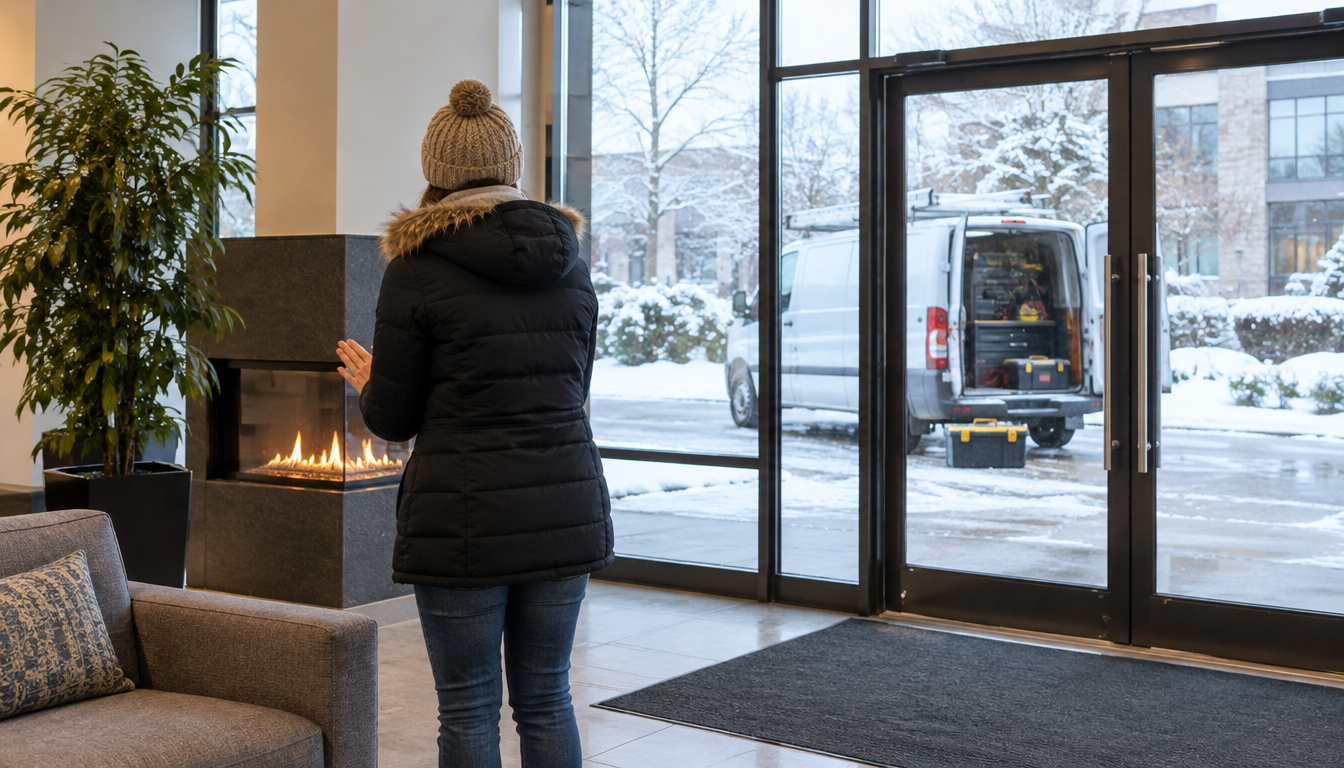
Your keys, your belongings, and any argument at the door can all wait. Cold cannot. Head for the nearest heated place you can reach on foot: a neighbour's home, a friend nearby, a coffee shop, a gas station, a lobby, or a transit shelter with heat.
Once you're inside, deal with wet clothing first. Wet socks and gloves pull heat out of your body much faster than dry ones. Change them or take them off, and warm your hands and feet. Then have a warm, non-alcoholic drink if you can get one.
A running car can be a short-term warm spot, but check the tailpipe first. Snow piled around the exhaust can push carbon monoxide into the cabin. If the car is buried or you can't clear it, don't sit in it with the engine on.
When Should You Call 911?
Call 911 when cold exposure has become a medical problem or when someone is in danger. Don't wait to see whether it passes. Hypothermia and frostbite get worse quickly once they start. Confusion is one of the early signs, so the person affected is often the last to notice.
Call right away if you see any of these:
A lockout on its own isn't a 911 call. However, a lockout that leaves someone unable to get warm is one. Tell the dispatcher where you are and that you have no heated place to go.
- Shivering that is violent, or shivering that suddenly stops while the person is still cold
- Confusion, slurred speech, clumsiness, or unusual drowsiness
- Skin on fingers, toes, ears, or face that is numb, hard, white, or greyish
- A child, older adult, or person with a medical condition stuck outside with nowhere warm to go
- A threat, fight, or violence at the door, including a landlord dispute that has turned physical
Finding a Warming Space, Respite Bed, or Shelter in Peel
Call 211 before you travel anywhere. 211 Ontario is a free helpline that answers around the clock. It connects you to current shelter, winter respite, and warming-space options in Peel Region. Shelter beds and respite spaces fill and change through the season, so a place that had room last week may not tonight.
During the day, public libraries and city recreation centres can serve as warm places to wait while they're open. Malls and transit stations can also buy you time. Still, these close at night, so ask 211 where you can go after hours before your phone battery runs low.
Tell 211 who is with you. Families, people with pets, and people with mobility needs may be sent to different spaces. Saying so up front saves you a cold trip to a place that can't take you.
Peel Homelessness and Housing Support
Some lockouts don't end the same night. If a landlord has shut you out, or you've lost your place and have nowhere safe to stay, connect with Peel's homelessness and housing services. The Region of Peel runs intake for shelter and housing help, plus street outreach for people sleeping outside.
The fastest way in is usually 211, which can route you to regional intake or outreach. Ask for these services by name, because a general request for "help" can land you in the wrong queue:
Keep your ID and any lease or rent records with you if you have them. Intake moves faster when staff can confirm who you are and where you were living.
- Emergency shelter intake for a bed tonight
- Street outreach if you or someone you know is staying outside
- Housing help for rent arrears, finding a unit, or keeping one
- Family and youth services, which often run separately from adult shelters
Staying Safe During an Extreme Cold Alert
When an extreme cold alert is in effect, cut your time outside to the minimum. The rules for surviving it are simple, and people still get them wrong.
Charge your phone anywhere you can get an outlet. A dead phone turns a simple lockout into a dangerous one.
1. Cover your head, hands, and feet
Your extremities freeze first.
2. Stay dry
Swap wet layers as soon as you're indoors.
3. Keep your phone inside your jacket
Cold drains a battery fast, and your phone is how you reach 211, 911, or a locksmith.
4. Skip the alcohol
It makes you feel warmer while your body loses heat faster.
5. Eat and drink something warm
Food gives your body fuel to make heat.
6. Keep moving if you must wait outside, but don't sweat through your clothing.
Can a Landlord Change the Locks on You?
No. The Landlord and Tenant Board (LTB) is clear on this: the sheriff is the only person allowed to enforce an LTB eviction order and make a tenant move out. The board also states that if a tenant stays past the termination date in the order, the landlord cannot personally enforce it. That means no removing the tenant and no changing the locks.
That rule also covers the quieter versions. Disabling your fob, removing your belongings, or blocking the door while you're out all count. A landlord who does any of these without an order and the sheriff is carrying out a lockout, not a lawful eviction.
There's one gotcha that catches many Brampton renters, especially in shared homes and some basement units. If you share a kitchen or bathroom with the owner or the owner's family, Ontario's tenancy law may not cover your arrangement. Get legal advice before you assume either way.
Documenting an Illegal Lockout and Getting Tenant Help
Start gathering evidence while you're somewhere warm. Your phone does most of this work. Records made on the day carry far more weight than memories reconstructed weeks later.
Collect these items:
Next, get help. Tenant duty counsel through Legal Aid Ontario and community legal clinics in Peel give free advice to tenants. You can also file an application with the LTB about your tenant rights. In addition, the province's Rental Housing Enforcement Unit takes complaints about landlords who break the law.
Police may attend to keep the peace. Still, they don't decide tenancy disputes, so treat their visit as a safety step and a record of what happened.
- Photos of the new lock, the door, and any notice posted on it
- Screenshots of texts, emails, or messages from the landlord
- Your lease, or anything in writing that shows you live there
- Rent receipts, e-transfer records, or bank statements
- The date and time you found yourself locked out
- Names and contact details of witnesses, such as neighbours or roommates
- A police incident number if officers attended
- A list of important belongings still inside, especially medication and ID
When a Sheriff Eviction Has Actually Happened
A sheriff-enforced eviction is a finished legal process. You'll usually see a sheriff's notice on the door, and the locks will have been changed under the LTB order. The table at the top separates this case from a landlord lockout because your options are very different.
Do not re-enter, force the door, or change the locks yourself. Going back in after a lawful eviction can lead to trespass charges. It also makes any later legal option harder to use.
Your belongings are a separate issue. Contact the landlord in writing to arrange a time to collect them, because the window to do so is short. Meanwhile, talk to duty counsel or a legal clinic right away if you think the order was wrong. Deadlines for challenging an eviction move fast.
Do Not Break In or Wait Outside for Hours
Forcing your way in turns a solvable access problem into injury, charges, or a door that won't close tonight. These are the moves that cause the most trouble:
Confronting a landlord, concierge, or building staff rarely helps either. It can escalate, and it often ends with police called on you. Step away, document what happened, and use the legal route.
Waiting outside for hours is its own mistake. Frostbite sets in while you stand there expecting someone to come home. For more on staying safe while you wait, see safe steps before calling a locksmith at night.
- Breaking a window. You risk cuts, then spend the night covering a hole in freezing weather.
- Prying the frame or kicking the door. This bends the strike plate and can split the frame, so the door may not lock afterward. Tenants can be billed for the damage.
- Climbing to a balcony or upper window. Ice makes this far more dangerous than it looks.
- Sliding a card into the latch. It rarely works on a deadbolt and can damage the weatherstripping.
Making a Winter Lockout Plan Once You Are Safe
Once you're warm and back inside, set up your plan for next time. The cost is a little effort now. Without one, the same mistake can leave you outside on a much colder night.
A rekey is also worth considering after a lost key. Rekeying changes the pins inside the lock so old keys stop working while the hardware stays in place. In a rental, get your landlord's approval first.
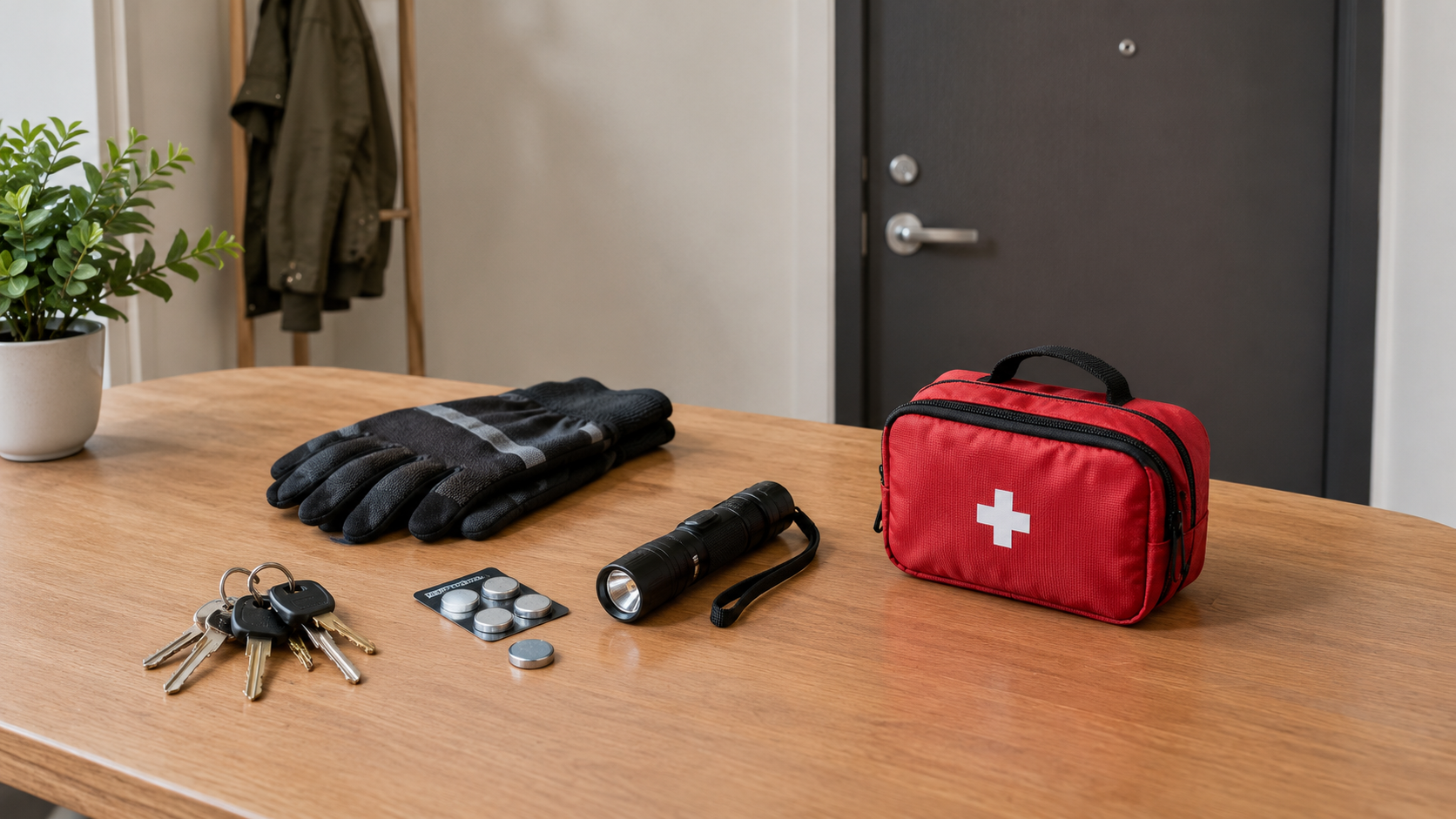
- Spare key: Leave one with a trusted neighbour or nearby friend. A key under the mat is the first place a burglar checks.
- Emergency contacts: Write your landlord, property manager, and locksmith numbers on paper too, because a phone that's dead or locked inside won't help you.
- Power bank: Keep a charged one in your coat or bag through the winter.
- ID: Keep a copy somewhere you can reach without getting into your home.
- Renter records: Save your lease and rent payments in cloud storage or email.
- Children: Agree on a named neighbour or heated place they go if they get home and can't get in.
- Pets: Make sure someone nearby can reach them if you're stuck out overnight.
- Medications: Keep a small supply at work or in your bag.
- Keypad batteries: Replace them before the first hard freeze, since cold finishes off weak batteries first.
FAQ
Common questions
Quick answers about this topic in Toronto and the GTA.
Can a condo concierge let me into my unit?
Usually not. Many condo corporations don't keep suite keys at the desk, and those that do limit who can use them. What the concierge can do is confirm your suite on the resident list, log the call, and sign an approved locksmith in for elevator access to your floor. Call the desk before the technician arrives so that step isn't holding them in the lobby.
What if I'm locked out of my car too?
Don't jam a coat hanger or wedge into the door. It can damage the seals, the lock linkage, and side airbag wiring, and cold rubber tears more easily. Have your vehicle information and proof of ownership ready, and read what to do first when locked out of a car for the safe order of steps.
What if a child is locked inside alone?
Call 911 before anyone else, including a locksmith. A child alone behind a locked door is an emergency, and responders can force entry if waiting is unsafe. Stay at the door and keep talking to the child so they don't wander toward a stove, balcony, or window.
Does it matter if my name isn't on the lease?
It can slow things down. A reputable locksmith won't open a door on your word alone, so anything that ties you to the address helps, even a parcel label or bank statement. Without that, the landlord or leaseholder may need to confirm by phone first. Roommates and adult children living at home run into this often, so get your name onto something at the address before winter.
More reading
Related guides
More step-by-step and how-to articles on the same topic.
Locked Out at Night? Safe Steps Before Calling a Locksmith
Stay safe during a nighttime lockout with practical steps for checking authorized entry, spotting emergencies, and calling a qualified locksmith.
Read article Locksmith guidesBrampton Lockouts: What Landlords Must Provide
A Brampton landlord should restore lawful access promptly with a key, supervised entry, or locksmith, while the lease explains after-hours steps and costs.
Read article ResidentialLocked Out of Your Toronto Home? Safe Next Steps
Handle a Toronto house lockout safely with lawful entry steps, locksmith timing guidance, and advice for lost, broken, or stolen keys at home.
Read articleReady for upfront pricing?
Describe your door or vehicle for a quoted range before a technician is dispatched.