
What to Do First When Locked Out of a Toronto Car
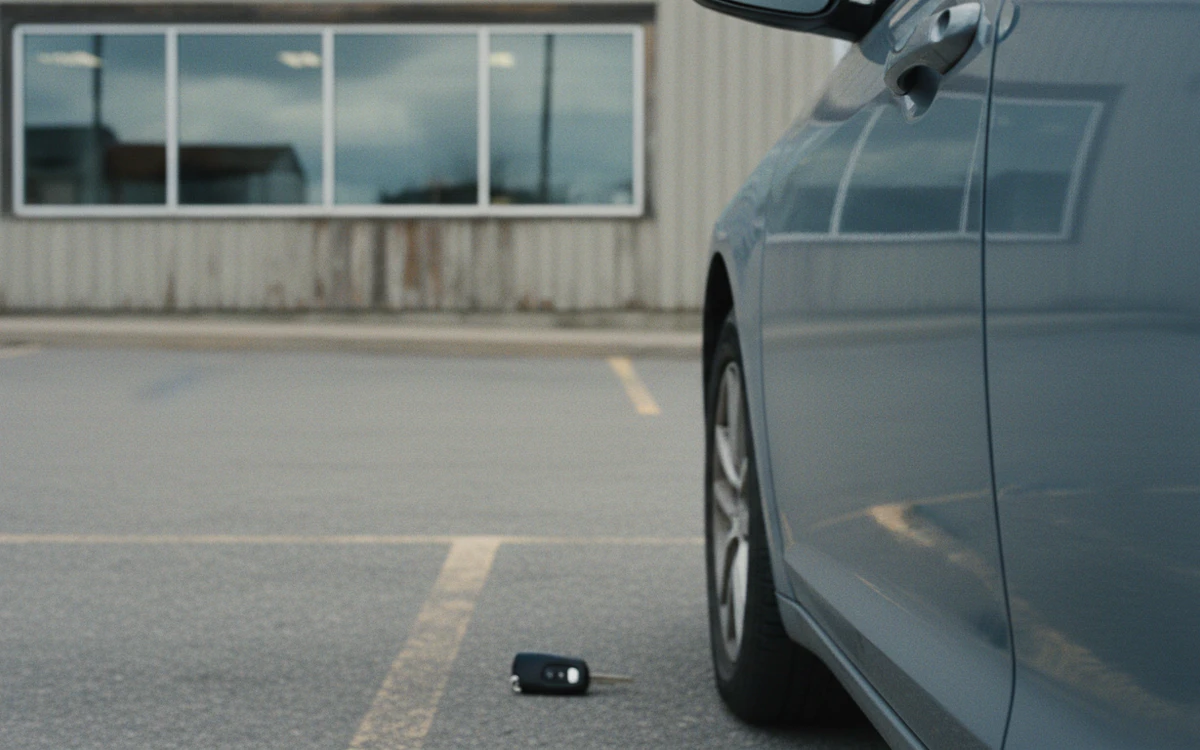
Protect people first, avoid forced entry, and call a reputable mobile automotive locksmith for a car lockout in Toronto. Check only the doors and trunk you can reach without tools. If a child, pet, or vulnerable person is trapped inside, call emergency services immediately. Roadside assistance may handle a simple entry, while a dealer is often needed for lost keys, immobilizer programming, or a vehicle with a proprietary security system.
Real dispatcher answersOpen every day, 7 AM to 10:30 PM
In this guide
Mobile service at your parking spot
What should you do during a car lockout in Toronto?
Move away from traffic and keep the vehicle in sight if it’s safe. In a parkade, stay near a lit area, concierge desk, or building entrance. In a roadside situation, get behind a barrier if one is available.
Then make a short, safe check:
Do not insert a screwdriver, coat hanger, wedge, or wire into the door. Modern vehicles have wiring, side airbags, weather seals, and painted trim close to the entry points. A tool in the wrong place can turn a car lockout into a door, glass, alarm, or airbag repair.
If someone is trapped inside, treat the situation as an emergency. Tell emergency services and the locksmith that a person or animal is inside, whether the vehicle is running, and whether the car is in direct heat or cold.
A condo parkade adds another condition. You may need concierge approval, elevator access, or a technician sign-in before work starts. Prepare that information early so the technician isn’t stopped at the garage entrance.
- Check every passenger door.
- Check the trunk if the vehicle allows access from there.
- Ask whether a spare key can be brought to you.
- Confirm whether the vehicle is running.
- Note the make, model, colour, plate, and exact location.
- Record the parkade level, row, pillar, gate code, or nearby business.
What should you do if you locked your keys in your car?
Check for an unlocked door or trunk only. That is the one quick check worth making because it does not damage the vehicle or interfere with the lock cylinder, alarm, wiring, or frame.
If every opening is secured, stop there. Do not pull the top of the door away from the frame, push a rod through the window seal, or pry near the latch. Those methods can bend the frame and leave wind noise, water leaks, or an unreliable door seal after the lockout is over.
Smashing a window is also a poor first choice. Broken glass can injure people, damage the interior, and leave the vehicle exposed. It still may not solve the problem if the key is needed to start the car or the vehicle has a double-lock system.
If the key fob stopped working, tell dispatch what happened before arranging entry. A weak fob battery, damaged button, dead vehicle battery, or failed receiver can look like a simple keys-locked-in-car problem.
How can you get help when you’re locked out of your car?
Use the response path that matches the failure:
Roadside assistance is often suitable for basic entry. However, it may not cut or program a replacement key, remove a broken blade, or diagnose a damaged ignition.
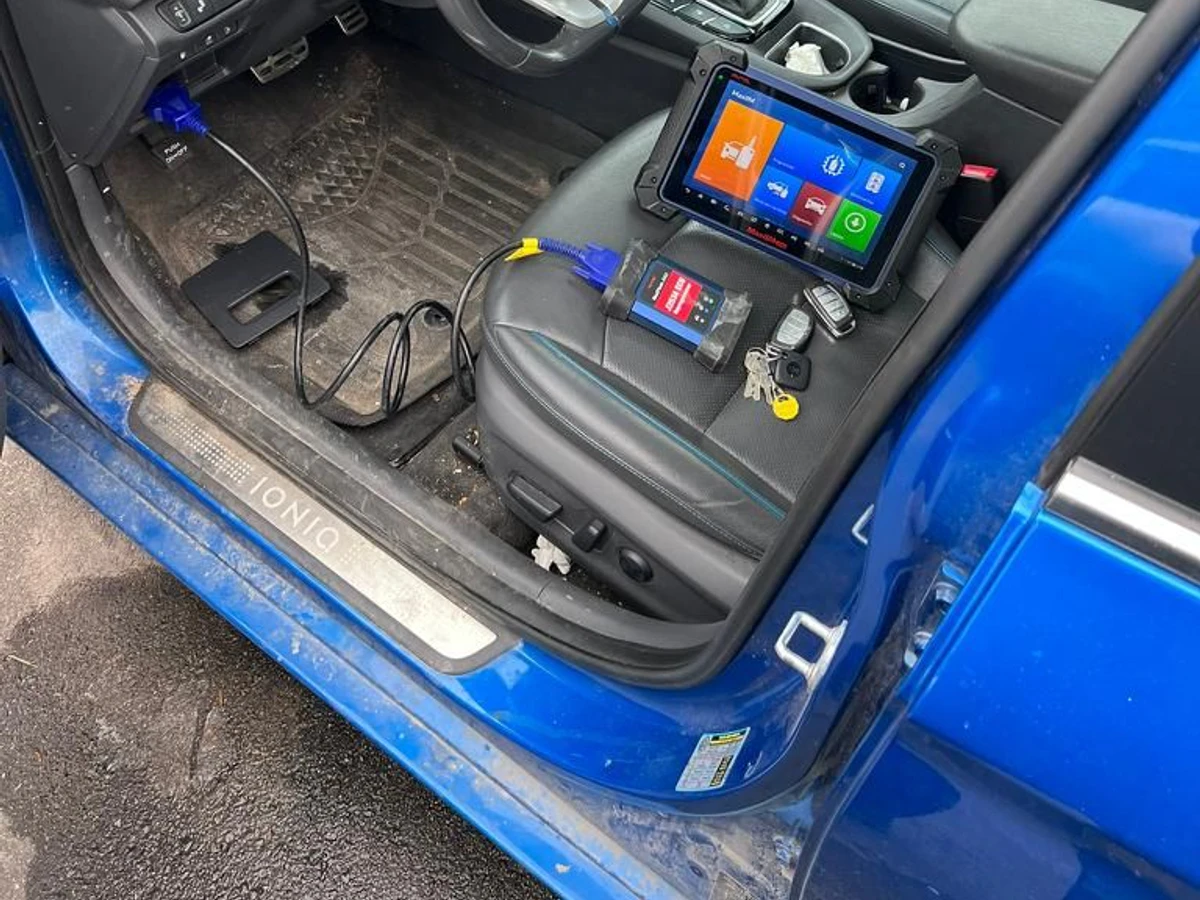
A Toronto mobile locksmith is the better fit when you need vehicle entry plus key cutting, transponder work, or on-site diagnosis. You can review the automotive locksmith service before calling so you know which service matches the problem.
Dealer support makes more sense when the vehicle needs manufacturer security codes, a restricted programming process, or equipment that isn’t available for mobile service. Ask about that limit before paying for a tow or dispatch.
| Situation | First call | What to prepare |
|---|---|---|
| Keys are inside and the vehicle is secured | Roadside assistance or a mobile automotive locksmith | Vehicle make, model, location, and proof you can authorize entry |
| Keys are inside a running vehicle | Emergency services if someone is trapped, then a mobile locksmith | State that the engine is running |
| Fob battery or vehicle battery may be dead | Automotive locksmith or roadside assistance | Describe the warning lights, remote symptoms, and manual key status |
| Key is lost, broken, or stolen | Automotive locksmith | Vehicle information, identification, registration, and any remaining key |
| All keys are gone or programming is required | Automotive locksmith or dealer | Vehicle identification number, ownership documents, and security details |
| Vehicle has a serious electronic or mechanical fault | Dealer or qualified automotive locksmith | Exact symptom and any recent repair or damage |
Who should you call for locked keys in car help in Toronto?
Choose a local automotive locksmith who can explain the service before arriving. The call should cover the vehicle, the access problem, the location, and the documents needed to prove authorization.
Ask these questions:
A legitimate technician should not treat ownership checks as an inconvenience. Proof of ownership protects you and the vehicle owner. Have identification and registration available, or be ready to explain who can authorize access for a rental, fleet vehicle, company car, or borrowed vehicle.
Give the exact location. “Downtown Toronto” is not enough in a large parkade or mall lot. Share the garage level, row, pillar, entrance, and gate instructions. On a street, provide the nearest intersection or business name.
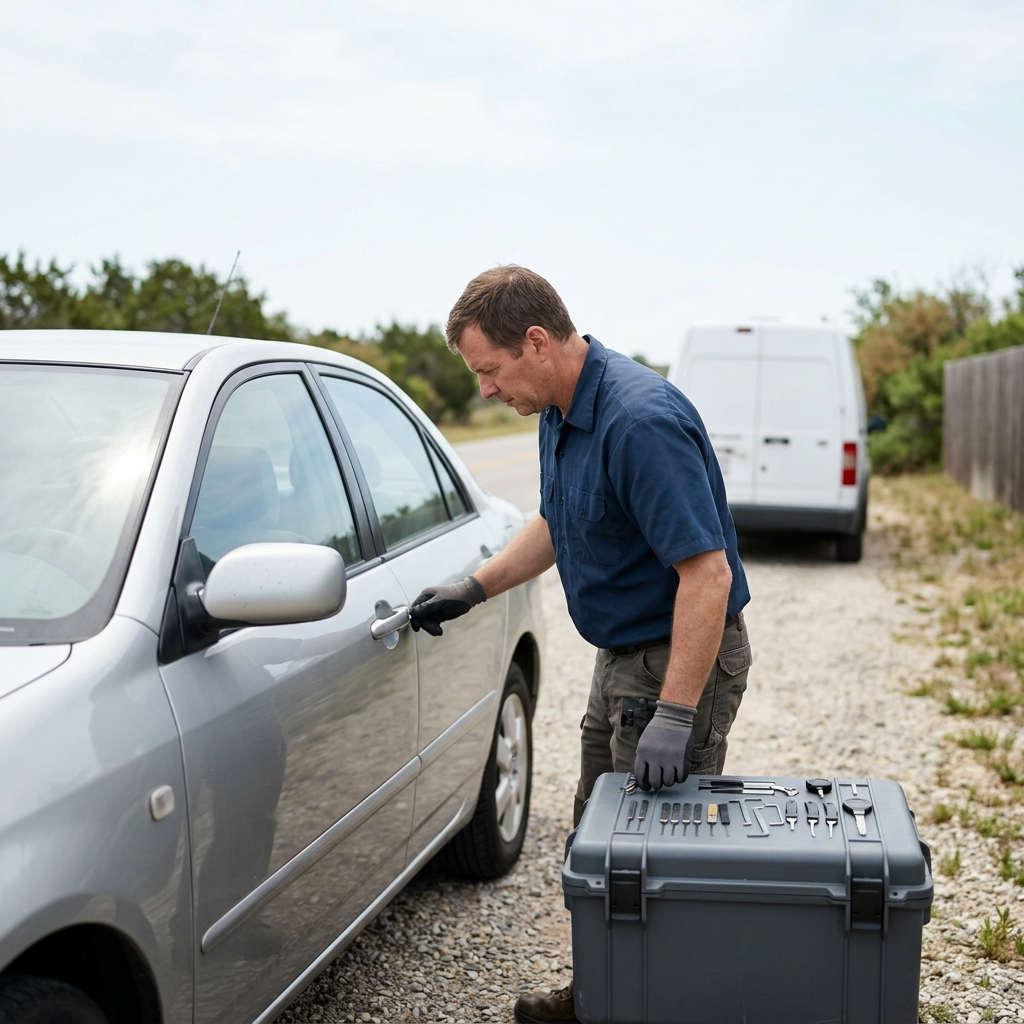
The technician should arrive with vehicle-safe entry equipment and tools suited to the vehicle. A generic method is not a sound plan for every car.
- Do you handle this make, model, and year?
- Is the service entry only, or does it include key cutting or programming?
- What information must you provide before work begins?
- Will the technician confirm the final quote on site?
- Can the vehicle be serviced in a condo parkade or gated lot?
- What happens if the lock is damaged or the key system will not accept programming?
How does a Toronto car entry service open a vehicle without damage?
A professional starts by identifying the vehicle’s lock, window, frame, alarm, and access system. The goal is non-destructive entry, which means opening the vehicle without drilling, breaking glass, bending the frame, or damaging the weather seal.
The method depends on the model. Some vehicles have a mechanical key hidden inside the fob. Others use a separate lock cylinder, a remote system, or a double-lock feature that blocks interior handles after the vehicle is secured.
A technician may use approved access tools, a carefully placed air wedge, and a reach tool. These tools must be positioned away from wiring, side airbags, window controls, and painted surfaces. The National Highway Traffic Safety Administration explains why vehicle safety systems and airbags occupy protected areas that should not be disturbed with improvised tools.
Alarm handling matters too. Opening a door can trigger the alarm, and some vehicles lock controls or limit starting after an unauthorized entry signal. The technician must know whether the key is inside, whether the vehicle is running, and whether the fob still responds.
No careful locksmith should promise that every opening has zero risk. The correct promise is a safe method chosen for the vehicle, with the risk explained before work starts. If the lock, frame, or electronics are already damaged, entry may expose a repair that was already present.
What should you do when the keys are locked in the car but it will not open?
Stop treating it as a simple lockout if the vehicle still will not open after the correct key or remote is used. The failure may be a dead vehicle battery, a damaged lock cylinder, a double-lock system, a failed actuator, or an electronic fault.
Tell dispatch the exact symptom:
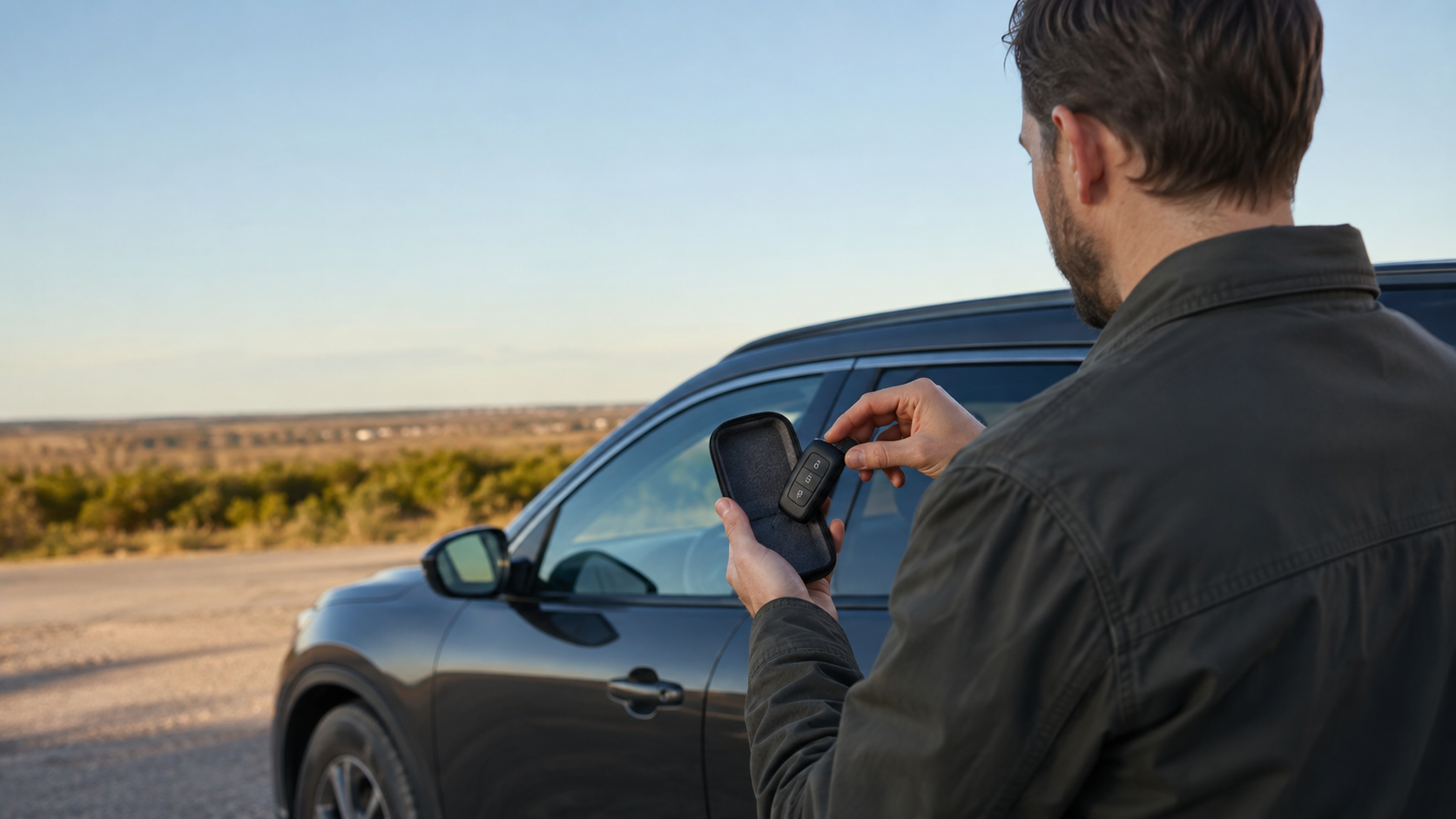
A dead fob battery does not always mean the vehicle needs a new key. The fob may have a hidden mechanical blade, but the location and use of that blade vary by vehicle. Do not force it if the keyway is tight or corroded.
A dead vehicle battery can also confuse the diagnosis. Remote controls may stop responding, while the mechanical lock still works. If the mechanical lock is damaged, entry may require a different method and possibly lock repair afterward.
If a key turns without releasing the latch, the lock cylinder tailpiece, actuator, latch, or door linkage may have failed. Another copy of the same key will not repair a broken lock body.
- The key fob does nothing.
- The mechanical key enters but will not turn.
- The key turns but the door stays shut.
- The vehicle alarm sounds immediately.
- The vehicle is running but all doors are secured.
- The key was inside, but the trunk also stopped responding.
- The door opened earlier and then stopped working.
What if the car lockout involves lost, broken, or stolen keys?
A locked key inside the vehicle is an entry problem. A lost, broken, or stolen key is also a key-service problem, and the work may continue after the door is open.
These jobs are different:
A sidewinder key has a milled groove in the face of the blade. It is not simply a sharper regular key. The correct profile must match the vehicle, and the transponder may still need programming before the engine will start.
For an all-keys-lost job, prepare:
Some vehicles need security codes, two programmed keys, or dealer-level equipment. If the system cannot be programmed at the vehicle, you may need dealer service or towing.
If a key broke in the door or ignition, do not push the fragment farther inside. Keep the broken pieces and tell the technician where the break occurred. Extraction and ignition repair require different tools from ordinary vehicle entry.
- Key duplication: makes a working copy from an existing key.
- Key cutting: creates the blade or sidewinder profile that fits the lock.
- Transponder programming: pairs the electronic chip with the vehicle’s immobilizer.
- Smart key registration: adds a remote or proximity key to the vehicle system.
- Broken key extraction: removes a blade fragment without damaging the lock cylinder.
- Deprogramming: removes stolen remotes or keys from the vehicle’s accepted list when the system allows it.
- Vehicle identification number.
- Year, make, model, and trim.
- Plate information if available.
- Government identification.
- Registration, lease, or other ownership proof.
- Information about whether the vehicle is financed, rented, or part of a fleet.
How much does a locked-keys-in-car service in Toronto involve?
A sound quote depends on the actual failure. A basic entry and a lost-key replacement may involve the same vehicle but require different tools, time, and authorization.
The main quote factors are:
Ask for a price range before dispatch and final approval before work begins. A quote based only on a photograph may change after the technician identifies the vehicle and checks the lock.
Do not choose a provider because the first number sounds low. A basic entry quote may exclude key programming, broken key extraction, parkade delays, or a failed lock cylinder. Ask what the quoted service includes.
For a rental, fleet vehicle, or company car, authorization can affect the job. The technician may need the owner, manager, leasing company, or fleet contact to approve entry and replacement work.
- Vehicle make, model, year, and security system.
- Whether the key is inside, lost, broken, or stolen.
- The exact Toronto or GTA location.
- Street access, parkade access, gate codes, and technician parking.
- Whether the vehicle is running.
- The entry method required.
- Alarm, sensor, airbag, or double-lock concerns.
- Key cutting, transponder programming, or fob registration.
- After-hours or urgent response.
- A damaged lock, ignition, latch, or door frame discovered during entry.
When is a professional tool or dealer required for a car lockout?
DIY methods stop being reasonable when you would need to pry, wedge, drill, cut, or reach through the window seal. Those actions can damage the door, wiring, glass, paint, weather seal, and side airbag area.
Professional equipment is required when:
Dealer support may be necessary for manufacturer-controlled programming, missing security codes, or a vehicle that rejects a new key. A mobile locksmith can often handle many models on site, but that is not the same as every model.
Do not ask a technician to bypass ownership checks. Bring the documents that show you can authorize entry. If the vehicle belongs to someone else, have that person or organization available to approve the work.
- Every door and trunk opening is secured.
- The vehicle has a double-lock or deadlock feature.
- The key is broken inside the lock.
- The lock cylinder is damaged or seized.
- The fob, immobilizer, or alarm does not respond.
- A replacement key must be cut or programmed.
- The vehicle uses a restricted key system.
- The car is a rental, fleet vehicle, or company vehicle.
- Proof of ownership or authorization must be checked.
How can you prevent another lockout of your car?
Fix the failure that caused the lockout. A spare key helps, but it will not solve a damaged lock, unreliable fob, or vehicle that locks itself while the engine runs.
Use this checklist:
A spare key should be reachable without creating another security problem. Do not hide it in an obvious spot on the vehicle. For a condo or rental, follow building rules before changing the lock or adding a key box.
If your vehicle repeatedly locks the doors while the fob is outside, ask for a diagnosis. That may be a fob, latch, body-control, or programming issue. Repeating the same emergency entry will not correct the failure.
- Keep a spare key in a secure place outside the vehicle.
- Replace a weak fob battery before it stops responding.
- Repair a key that has a worn blade or cracked housing.
- Have a second key made before the only key is lost.
- Keep roadside assistance details in your wallet or phone.
- Store the vehicle registration and ownership information where you can access them.
- Check that the mechanical key works before an emergency.
- Ask about stolen-key deprogramming if a key disappears.
- Avoid leaving a running vehicle unattended with the key inside.
Toronto car lockout facts that change the quote
Winter calls from underground parkades need level, pillar, and gate codes. Daylight street parking needs intersection or business name if pins drift on maps.
Some vehicles lock all doors when the fob battery dies. that is programming or battery service, not always a traditional lockout.
We cover Toronto and twelve GTA cities from mobile vans; the process is the same whether you are on the DVP or in a Brampton plaza lot.
After you are back in the car
Replace weak fob batteries while the tech is there. Copy a spare from code if your only key is worn.
If keys were stolen, ask about deprogramming old remotes so they cannot start the vehicle.
For all-keys-lost cases, see our mobile replacement guide for documents to have ready.
FAQ
Common questions
Quick answers about this topic in Toronto and the GTA.
Can a locksmith open a car if the keys are visible inside?
Often, yes, but the method depends on the vehicle’s lock and safety systems. Tell the technician where the keys are visible and whether the engine is running. Do not press the glass down or pull the door frame open before help arrives.
Can I get into a car with a dead remote battery?
Possibly, if the fob contains a mechanical key and the vehicle has an exterior lock cylinder. The key may be hidden behind a small cover, so check the owner’s manual if you have access to it. If the mechanical key will not turn, stop before damaging the cylinder.
Does a car lockout affect my insurance claim?
That depends on your policy and the reason for the service. Keep the invoice and note whether the job involved entry, key replacement, extraction, or repair. Ask your insurer before assuming roadside coverage applies.
Should I leave the vehicle unattended while waiting?
Only if the area is secure and you have no safer option. In a public lot or parkade, stay near the vehicle or move to a staffed location. Tell the technician exactly where you are standing so they do not search an entire garage.
Can a locksmith help with a rental or company vehicle?
The technician can usually assess the lockout, but the rental company, fleet manager, or vehicle owner may need to approve entry or key replacement. Have that contact ready before dispatch. Authorization rules can delay replacement even after the vehicle is opened.
Will unlocking damage my car?
We use manufacturer-aware methods first. You approve the price before we work, and we avoid paint and trim damage when possible.
Can you help if my keys are inside a running vehicle?
Yes on many models. Tell dispatch the vehicle is running so we prioritize the right approach.
More reading
Related guides
More step-by-step and how-to articles on the same topic.
Locked Out of Your Toronto Office? Start Here
Prevent door, frame, and access-system damage during a Toronto office lockout with safe checks and guidance on when to call a commercial locksmith.
Read article How-toA Safe Way to Remove a Snapped Key From a Lock
A visible key fragment may come out with light pressure, but recessed or damaged breaks need a locksmith. See safe steps, tool limits, and warning signs.
Read article Locksmith guidesKey Fob Troubleshooting: Battery, Signal or Car?
A dead coin cell is common, but weak contacts, interference, lost programming, and vehicle faults can also stop a key fob. Use these checks to isolate it.
Read articleOn-site help
Related locksmith services
If you need a technician on site, these service pages match this guide.
Guides explain the situation; a service visit fixes it. For automotive locksmith in Toronto and the GTA, use the call button for a price range and ETA, confirmed on site before work starts.
Automotive Locksmith
Car lockouts, key replacement, fob programming, and ignition repair on the spot.
See details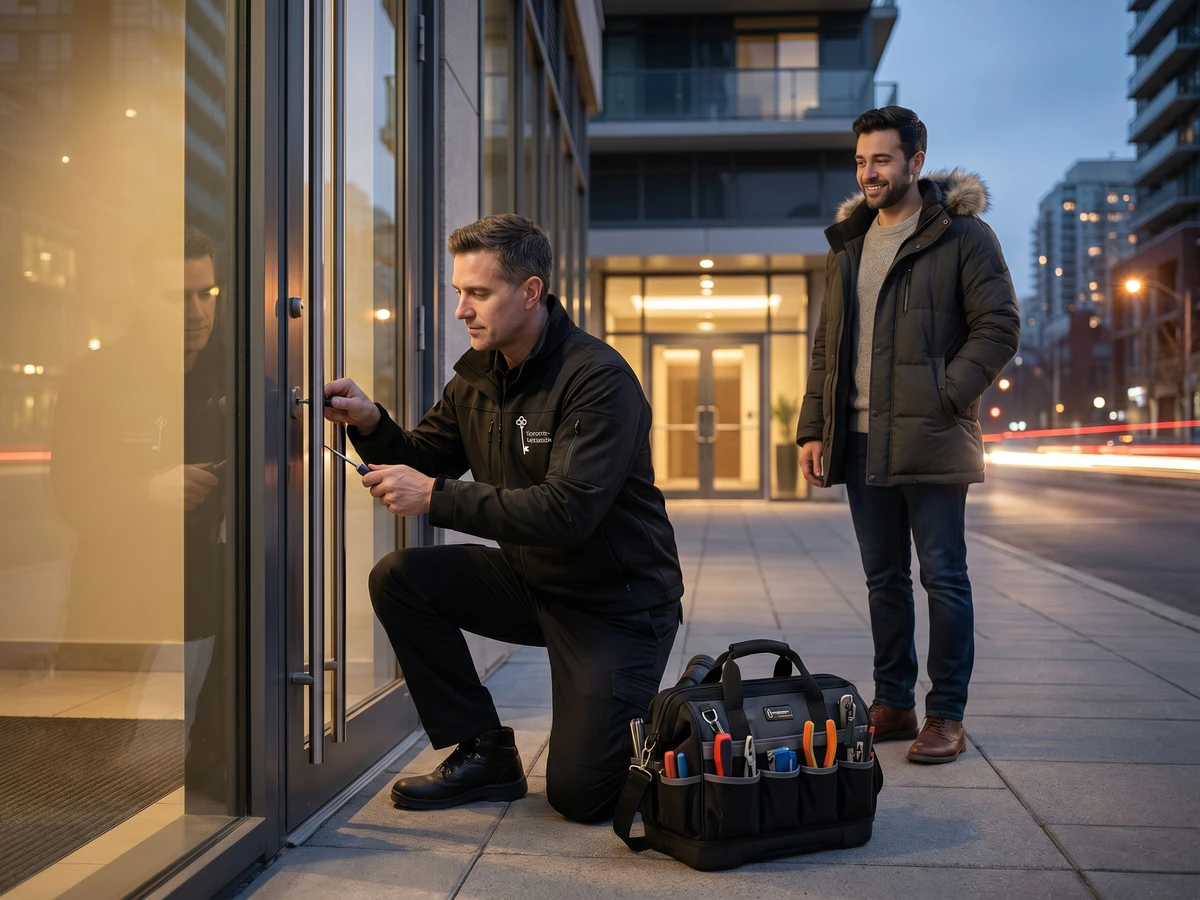
Emergency Locksmith
Locked out or dealing with a broken lock? We come to you fast across the GTA.
See details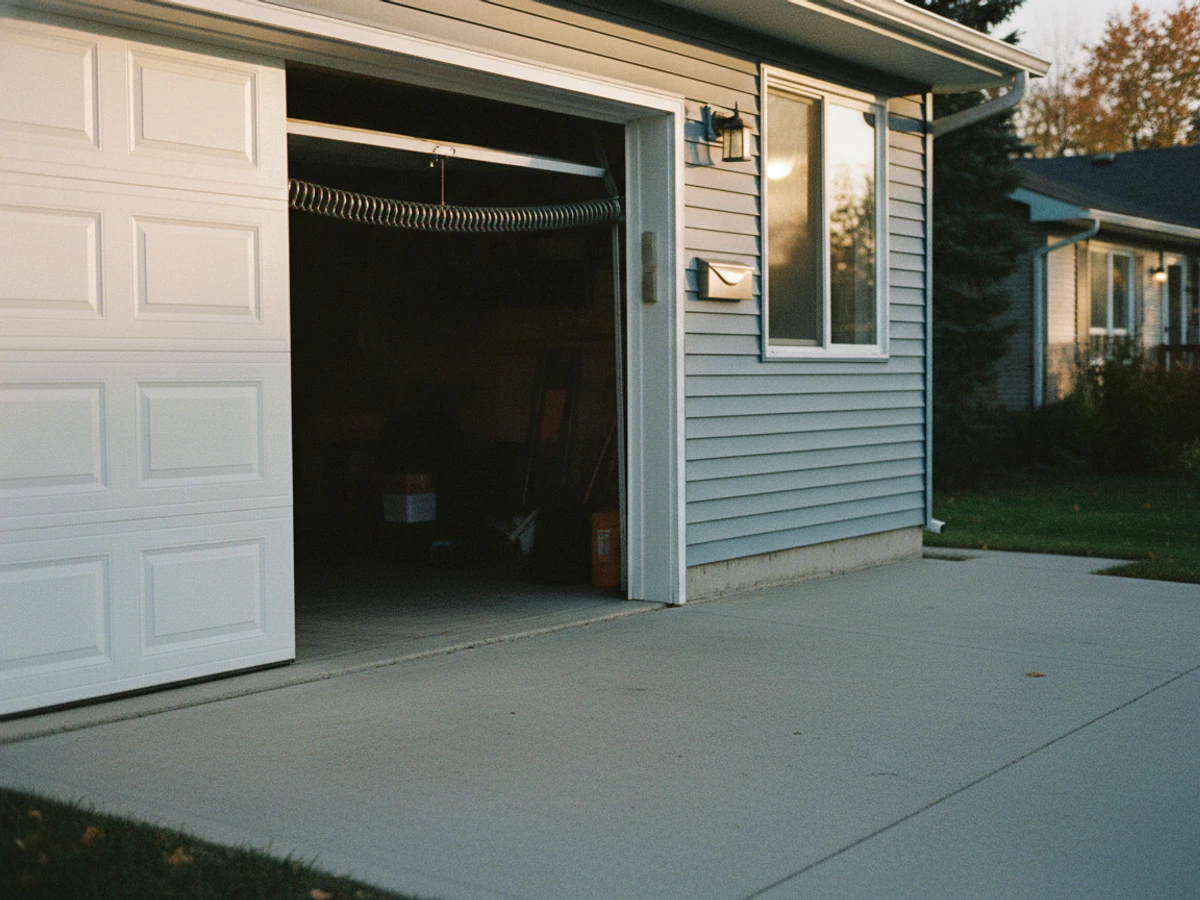
Garage Door Services
Garage door repair, opener service, and replacements across the GTA.
See detailsReady for upfront pricing?
Describe your door or vehicle for a quoted range before a technician is dispatched.