
Residential Key Duplication in Toronto: Where to Copy
Copy an ordinary house key at a reputable hardware store or locksmith. In Toronto, [Pro Locksmiths](https://www.prolocksmiths.com/art-science-key-cutting-copying-toronto) can help, and [Minute Key](https://www.minutekey.com/key-services/ontario/toronto/locksmith-key-copy-duplication-1000-gerrard-street-east/36204)’s key-copy and locksmith service is listed at 1000 Gerrard Street East. The route changes when the key belongs to a landlord, condo corporation, Canada Post, or restricted system. Check the markings and ownership first. A poorly cut copy can break in the lock and turn a spare-key job into an extraction or replacement.
Real dispatcher answersOpen every day, 7 AM to 10:30 PM
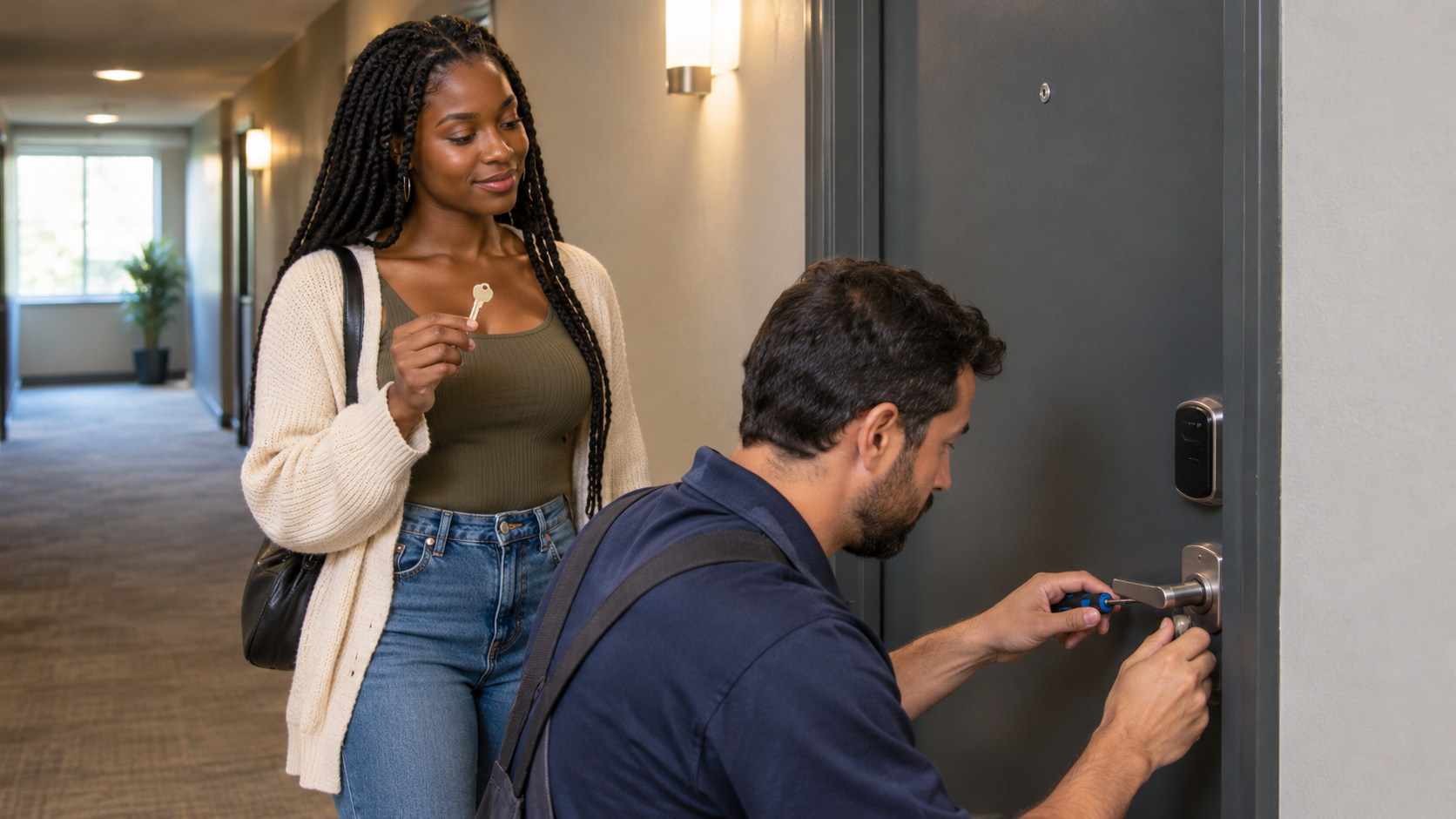
Start With the Lock Owner and the Key’s Markings
The person holding the key may not control duplication. Before anyone cuts it, identify who owns the lock and who manages the key system.
Check these details before you hand over the key:
A detached-home owner usually controls the house locks. However, a tenant may need landlord approval, especially if the lock belongs to a master-keyed system. In that system, one higher-level key can operate several locks. A condo corporation may control corridor doors, entrance keys, fobs, and even the outside appearance of suite hardware.
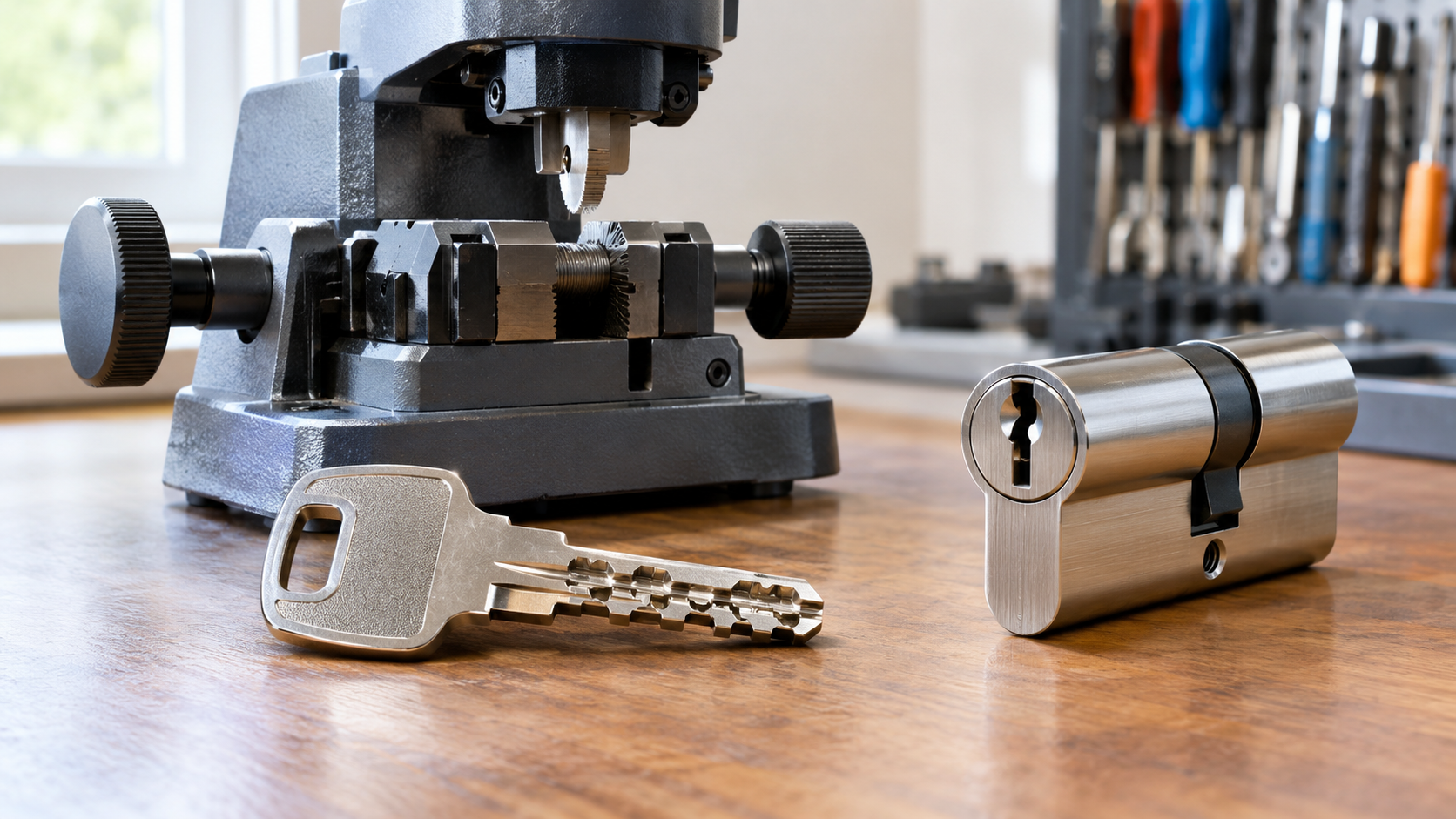
The keyway also matters. The keyway is the shaped opening in the lock cylinder. A blank is the uncut key used to make the copy. If that blank is controlled or uncommon, a general key counter may not stock it or have permission to cut it.
- The name stamped on the key
- “Do Not Duplicate,” “Restricted,” or similar wording
- A key number or registration code
- A key card supplied with the lock
- The door or mailbox the key operates
- Your lease, condo rules, or building access policy
Where Should You Get Residential Key Duplication in Toronto?
Use a hardware-store key counter for a clean, common residential key. Choose a locksmith when the key is worn, unusual, part of a security system, or already sticking in the lock.
Common Kwikset, Schlage, and similar edge-cut keys are usually straightforward. A staffed counter can match the blank and copy the cuts during the visit. However, the correct blank must be in stock. A self-service machine may also handle some common profiles, but it cannot inspect the lock or correct a worn original.
A locksmith is the better route when:
Mobile service makes sense if the failure may be in the door rather than the key. A technician can check the cylinder, latch, hinges, and strike alignment at the property. For a clean spare from a clean original, a mobile visit is usually more service than the job needs.
If the key turns poorly, review the difference between duplication, extraction, and door lock repair in Toronto before ordering another copy.
- The original key is bent or heavily worn
- The copy must work in several locks
- The blank is uncommon
- The key has dimples or milled tracks
- The lock already binds
- You have no working key
- Authorization must be checked
Apartment and Condo Keys May Require Landlord Approval
Apartment and condo keys can look ordinary while belonging to a controlled system. A suite key may also work in a lobby, parkade, storage room, or shared entrance through master keying.
Ask the landlord, concierge, or property manager who issues duplicates. They may require identification, written approval, a work order, or a request from the registered owner. A key counter cannot settle that question by looking at the blade.
Treat these as separate access systems. A copied metal key cannot take the place of a registered fob or card:
A copied metal key will not replace a disabled fob. Likewise, changing the suite cylinder without approval can remove it from the building’s master-key system. That may block emergency or management access required under the building’s rules.
For a lock that you’re authorized to manage, a residential locksmith in Toronto and the GTA can determine whether duplication, rekeying, or new hardware fits the door.
| Access item | Usual control point | Correct next step |
|---|---|---|
| Suite-only key | Owner or landlord | Confirm the lease and lock ownership |
| Master-keyed suite key | Landlord or property manager | Request an approved duplicate |
| Building entrance key | Condo or building management | Follow the building’s issue process |
| Fob or access card | Property manager or security office | Register or replace it through management |
| Private lock added inside a unit | Resident, subject to building rules | Confirm the installation is permitted |
Mailbox Keys Follow Different Rules
“Mailbox key” describes several unrelated locks. The correct route depends on who owns the box and cylinder.
Privately owned mailbox locks
A wall-mounted house mailbox or privately installed lock may use an ordinary edge-cut key. Confirm that the shop has the correct blank and that you’re authorized to copy the key.
If every key is lost, duplication is no longer possible. The lock may need to be decoded, which means reading the required cut pattern, or replaced. Small mailbox cylinders are often better replaced than rebuilt, provided you’re authorized to remove them.
Apartment and condo mailbox banks
The building, condo corporation, property manager, or postal service may control these boxes. Ask management before removing a lock or requesting a copy.
Some mailbox keys use common blanks. Others belong to a registered system. Appearance alone does not settle ownership or permission.
Canada Post community mailboxes
Use the official Canada Post community mailbox key replacement process. A retail counter does not control that lock system and should not be used as a workaround.
Canada Post may replace the lock and issue new keys after confirming the request. Follow its identification and pickup instructions. Do not force the old cylinder or buy a similar-looking blank.
How Can You Identify a Key Before Copying It?
Start with the blade, markings, and lock. Do not judge the key by colour, head shape, or a plastic cap.
Some residential keys are described as laser-style because the cuts run along the face. The label tells you little about availability. The exact key profile and system rules control the job.
Also inspect the shoulder or tip. Key machines use one of these points to position the blank. If the wrong reference point is used, every cut can shift even when the pattern looks close.
| Key type | What you may see | Practical meaning |
|---|---|---|
| Common edge-cut key | Teeth cut along one edge | Often suitable for a hardware counter or locksmith |
| Double-sided edge-cut key | Cuts on both edges | Requires the correct blank and machine |
| Dimple key | Small drilled recesses on the flat face | Usually needs specialist equipment |
| Milled or track key | A groove cut into the face | Requires a matching cutter and blank |
| Restricted key | Registration marks, system name, code, or warning | Authorization and an approved dealer may be required |
| Worn key | Rounded peaks, shallow cuts, bent blade | Tracing it may reproduce the wear |
| Unusual blank | Odd shoulder, tip stop, grooves, or thickness | A general counter may not stock it |
Standard, Security, and Restricted Keys Are Different Jobs
A standard key uses a widely available blank and a common cutting method. Most ordinary house keys fall into this group. A competent counter can usually copy one from a sound original.
A security key may have a more complex blade, extra locking elements, or an uncommon profile. It can require a dedicated machine. However, a complicated key is not automatically legally or technically restricted.
A restricted key belongs to a controlled duplication system. Access to the blank may depend on dealer agreements, registration records, an active patent, or written authorization. The Canadian Intellectual Property Office explains the role and limits of Canadian patent protection, but patents are only one part of key control.
A “Do Not Duplicate” stamp deserves a pause, though the wording alone does not explain the whole system. Check the blank, lock brand, account records, and authorization rules before deciding where it can be cut.
Restricted and High-Security Keys Need Authorization
Bring the key card if the system uses one. The dealer may also request photo identification, an authorization letter, account details, or confirmation from the registered property owner.
Controlled blanks are not supposed to move through ordinary retail channels. The dealer checks the key system, verifies the request, and cuts the key on equipment made for that profile. Some systems also require the dealer to record each issued copy.
A locksmith may need to refer the job if the shop is not registered for that exact system. That is the proper limit. Owning key-cutting equipment does not grant access to every blank or dealer record.
If you manage a rental, office, or multi-unit property, read how high-security locks control key access before ordering extra copies.
What Does Key Duplication Usually Cost in Toronto?
Residential key duplication in Toronto has no useful single price. The blank, cutting method, authorization process, and condition of the original determine the charge.
Without a confirmed key type, a precise quote is guesswork. Use this order to judge the likely price before you approve the work:
Rekeying changes the pins inside a lock cylinder so old keys stop working. Replacement removes the cylinder or hardware and installs another part. Neither should be quoted as a simple copy.
Also ask whether tax, mobile service, authorization handling, or a replacement lock is part of the quote. Those items can matter more than the cut itself.
| Job | Expected price position | What changes the quote |
|---|---|---|
| Common edge-cut house key | Lowest | Blank availability and condition of the original |
| Uncommon or double-sided key | Above a standard copy | Special blank or cutting setup |
| Dimple or milled residential key | Higher specialty work | Machine, blank, and key system |
| Private mailbox key | Similar to its matching key type | Uncommon blank or lost-key work |
| Restricted or high-security key | Dealer-quoted | Authorization, registration, and controlled blank |
| All keys lost | Service work, not duplication | Decoding, lock removal, rekeying, or replacement |
Failed Copies Usually Point to Wear or the Wrong Blank
A new key that fails in one lock may have been cut poorly. A copy that fails in several locks is more likely based on a worn original or the wrong blank.
These are the failure points that matter:
Do not force the copy. If it enters but will not turn, remove it while it still moves freely. If it turns only while you pull or push the door, check the strike alignment before blaming the key.
A locksmith may decode the original cuts instead of tracing the worn blade. If no reliable key remains, the technician may make a new key from verified information, rekey the cylinder, or replace the hardware. Proof of ownership is required before work that creates access.
- Cuts traced from a rounded, worn key
- The wrong shoulder or tip used for alignment
- A similar blank with the wrong groove pattern
- Burrs left on the new cut
- A bent original
- A damaged cylinder
- A dragging door that loads the latch
Bring the Right Items and Check the Copy
Bring the best working original, not the most worn spare in the drawer. If the key is controlled, bring every document that connects you to the system.
Do not leave these items until the technician arrives:
At the counter, compare the new blank with the original. The length, shoulder, grooves, and tip should match. The cuts should be clean, with no sharp burrs hanging from the edge.
A shop cannot test a house key without the lock. Therefore, test it at the property before storing the original away. Insert it gently, turn it once, and confirm the latch or deadbolt moves without extra pressure.
If a mobile technician cuts the key on site, have it tested in each authorized lock. One key may operate several cylinders. A copy that works in the front door can still bind in an older side-door cylinder.
- The original key
- Photo identification
- Key card or registration card
- Written landlord or property-manager approval
- Building or account information
- The lock brand, if known
- A clear description of every lock the key operates
FAQ
Common questions
Quick answers about this topic in Toronto and the GTA.
Can a locksmith make one key work in two existing locks?
Sometimes, but copying the key will not change the second lock. Both locks must accept a compatible blank and use the same keying method. If they do, a locksmith can rekey them alike so one key operates both cylinders.
Can a locksmith make a house key from a photograph?
Do not rely on a photograph for a working house key. Camera angle, blade wear, and hidden cut depths can produce the wrong pattern. An authorized technician should use the original key, inspect the lock, or work from verified key-code information.
Does copying a tenant key remove the landlord’s master-key access?
No. A direct copy operates the cylinder exactly as the original does. Rekeying or replacing the cylinder is different work and can break the master-key arrangement, so get approval before changing the hardware.
How should spare house keys be stored?
Keep spare keys in a secure place away from anything that shows the property address. Use a private label or code instead of writing the full address on the tag. For restricted or building keys, keep a clear record of who holds each copy.
Can a broken key still be copied?
Possibly, if the pieces preserve the full cut pattern and the blank can be identified. Do not push the broken section farther into the keyway. Remove the fragment first, inspect the cylinder, and then cut a replacement from reliable information.
More reading
Related guides
More step-by-step and how-to articles on the same topic.
How Toronto High-Security Locks Control Access
High-security locks make key copying and unauthorized entry harder, but Toronto properties also need strong doors, frames, access rules, and key control.
Read article Locksmith guidesRekeying or Replacing a Lock: How to Choose
Rekeying preserves a sound lock when key control changes, while replacement addresses damage, poor fit, outdated features, and security concerns.
Read article ResidentialLocked Out of Your Toronto Home? Safe Next Steps
Handle a Toronto house lockout safely with lawful entry steps, locksmith timing guidance, and advice for lost, broken, or stolen keys at home.
Read articleReady for upfront pricing?
Describe your door or vehicle for a quoted range before a technician is dispatched.